
Perlite is widely recognized for its lightweight structure, brilliant white appearance, and exceptional versatility across industries. Yet very few people understand the complete journey it takes from raw volcanic rock to the expanded material used in construction, horticulture, filtration, and insulation. To understand how perlite is made, it’s important to explore each stage of mining, expansion, and production that shapes its unique properties.
Formation of the Raw Mineral
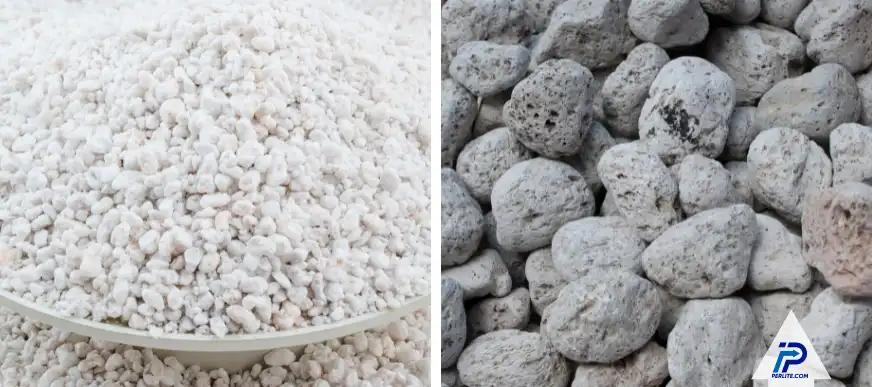
The story of perlite begins long before human involvement. When molten lava erupts and cools rapidly, it becomes volcanic glass. Over thousands of years, water becomes trapped within the glass structure in the form of moisture. This hidden water content — typically only a few percent — is what gives perlite the ability to expand later in the production process. Although the raw mineral looks like ordinary rock, it holds the potential to transform dramatically.
Mining the Ore
Once a deposit of perlite is located, the first step is extraction. Because perlite is often found close to the Earth’s surface, open-pit mining is the primary method. The overburden is removed, and heavy machinery lifts the ore from the site. After extraction, the raw perlite is transported to a production facility for further processing. At this point, it remains dense, gray, and rock-like — entirely different from its final expanded form.
Crushing and Screening for Uniformity
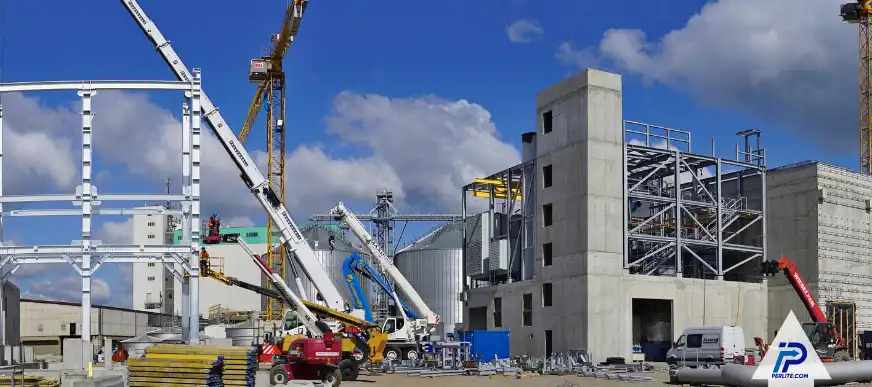
At the processing facility, the ore is crushed into smaller, more consistent pieces. This ensures that each particle will heat evenly later during expansion. Once crushed, the material passes through screens that separate it into size categories. Different particle sizes serve different industrial purposes, so proper sorting is essential. Some facilities dry the ore lightly to remove surface moisture, but the internal water trapped inside the glass remains untouched
Expansion: The Transformation Point
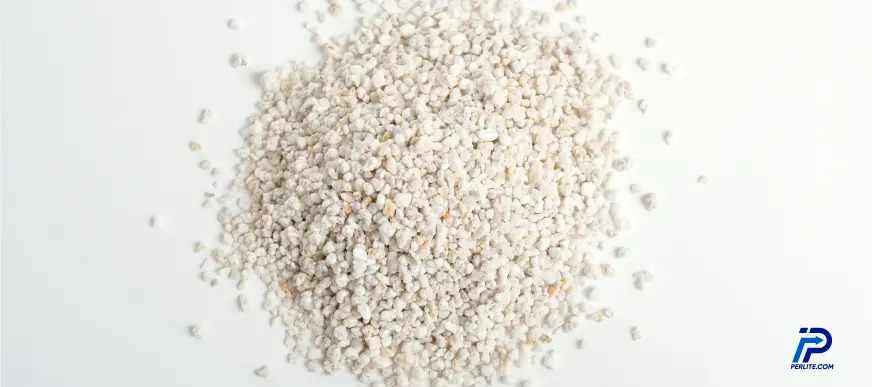
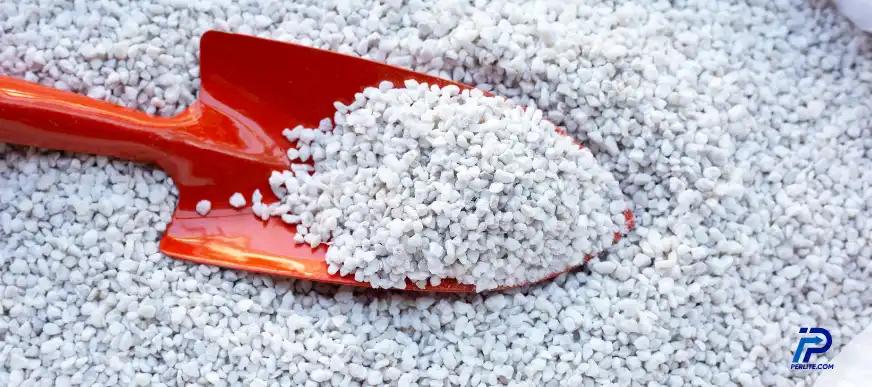
The most dramatic stage in how perlite is made is the expansion process. The crushed ore is fed into a furnace operating at extremely high temperatures. As it heats rapidly, the internal water turns to steam in an instant. Because this steam cannot escape slowly, it forces the rock to balloon outward, creating a network of tiny air pockets. The material can expand up to several times its original size, turning from a heavy mineral into a lightweight, porous product. This is when the familiar bright white, popcorn-like appearance of expanded perlite is formed.
Cooling and Grading
After expansion, the material cools and is guided through equipment that separates it according to size and density. Each grade has a specific application. Finer textures are ideal for filtration, horticulture, and industrial polishing. Medium to coarse grades are used in construction mixtures, insulation, and lightweight aggregates. The grading stage is essential, as it ensures the end product fits the demands of various industries.
Packaging and Distribution
Once properly graded, expanded perlite is packaged in bulk bags, small bags, or loose bulk form depending on where and how it will be used. From here, it is shipped to farms, nurseries, construction sites, industrial plants, and manufacturing companies around the world. Although its appearance is simple, its performance is highly specialized and relies heavily on precise production techniques.
The Value of Each Production Step
Perlite’s unique benefits — lightweight structure, excellent insulation, aeration, and high porosity — exist because of the careful balance between natural formation and controlled industrial expansion. Without the volcanic origin that traps moisture inside the rock, expansion would never occur. Without proper crushing, screening, and furnace treatment, the material would not develop the physical qualities that industries rely on.
Final Reflection
The complete process of how is perlite made demonstrates how a naturally occurring volcanic mineral becomes an indispensable component in many modern applications. Every step — mining, crushing, expansion, grading, and packaging — reveals both the science and the engineering behind this versatile material. From supporting plant growth to lightening concrete and improving industrial filtration, perlite proves that natural resources can become powerful tools when their intrinsic properties are understood and enhanced.

Write a comment ...