
If you’re wondering how to use perlite for plants to improve soil quality, root health, and overall plant growth, you’re not alone. Gardeners, commercial growers, and landscapers across Oregon—especially in regions with heavy or moisture-retentive soils—rely on perlite to create better growing conditions. From home gardens around Portland, Oregon to large-scale operations across the West Coast, perlite has become a trusted soil amendment for consistent, healthy plant performance.
Understanding how to use perlite for plants correctly can make a noticeable difference in drainage, aeration, and nutrient uptake, regardless of whether you’re growing houseplants, vegetables, or native species.
What Is How to Use Perlite for Plants All About?
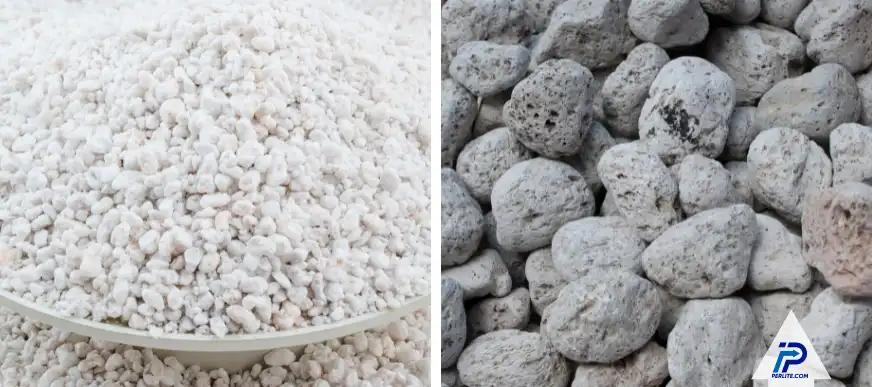
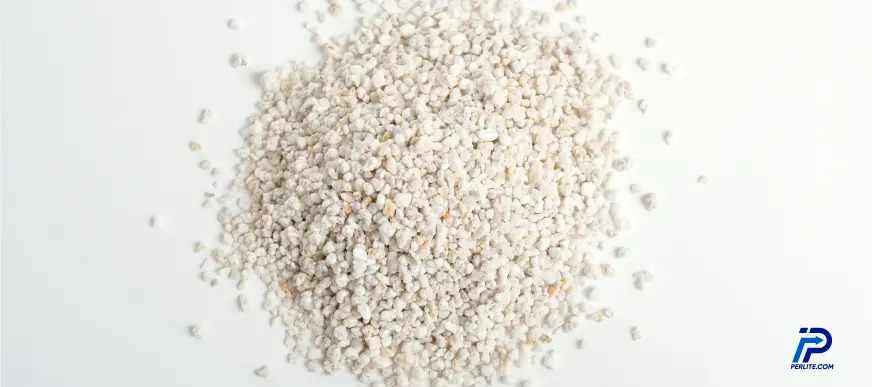
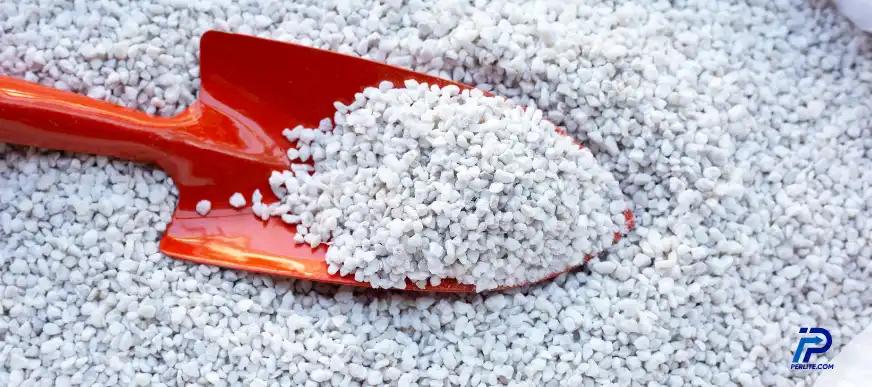
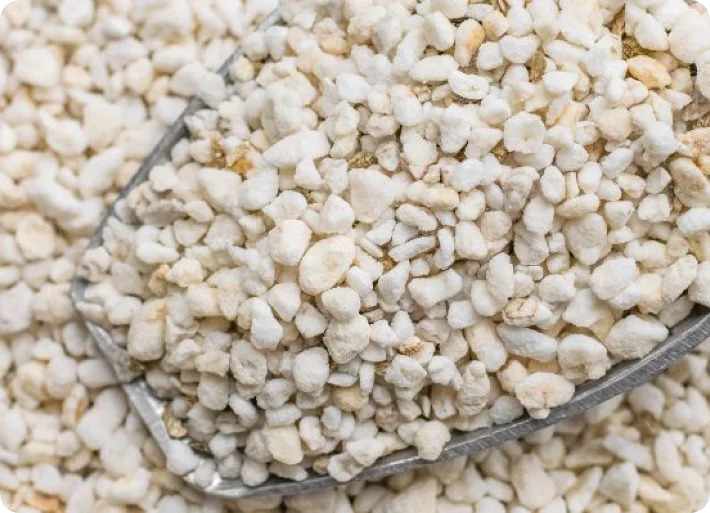
Perlite is a naturally occurring volcanic glass that expands when heated, creating a lightweight, porous material ideal for horticultural use. Learning how to use perlite for plants means understanding how this material works within soil and growing media to balance air and water around plant roots.
Unlike sand or gravel, perlite does not compact over time. This makes it especially valuable in regions like Oregon, where rainfall and dense soils can lead to waterlogged roots if drainage isn’t properly managed.
Key characteristics of perlite:
Lightweight and sterile
Excellent drainage and aeration
Neutral pH
Long-lasting soil structure support
Benefits and Importance of How to Use Perlite for Plants
Knowing how to use perlite for plants provides both short-term and long-term benefits for growers across different climates.
Major advantages include:
Improved root oxygenation, reducing root rot
Better moisture control, especially in rainy regions
Enhanced soil structure for clay-heavy Oregon soils
Stronger plant establishment for seedlings and transplants
How to Use Perlite for Plants in Different Soil Types
Clay soils: Mix perlite generously to prevent compaction
Sandy soils: Combine perlite with organic matter to balance drainage
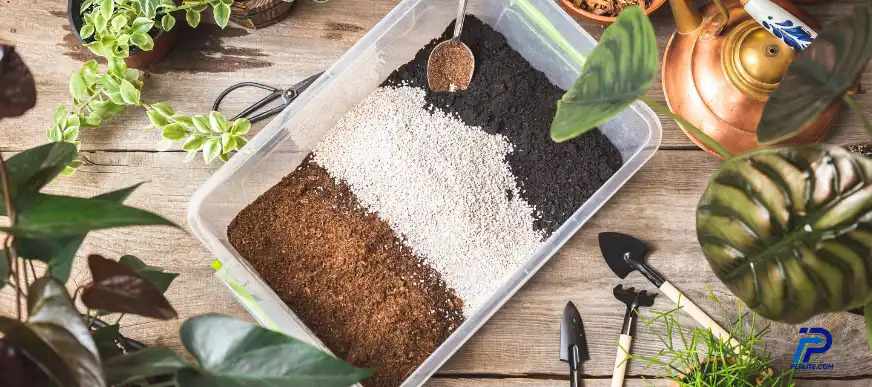
Potting mixes: Use perlite to maintain airflow in containers
This flexibility is why understanding how to use perlite for plants is essential for both small gardens and commercial operations.
Applications of Perlite in Oregon
Oregon’s diverse climate zones—from the wetter Willamette Valley to drier eastern regions—make soil management a priority. Growers around Portland, Oregon often use perlite in raised beds, greenhouse operations, and container gardening to offset frequent rainfall.
Common Oregon applications include:
Nursery production and propagation
Organic vegetable farming
Indoor plant cultivation
Landscaping projects requiring long-term soil stability
Because perlite is inert and environmentally safe, it aligns well with Oregon’s sustainability-focused agricultural practices.
West Coast Demand: California and Washington
Beyond Oregon, understanding how to use perlite for plants is just as relevant across the West Coast. In California, growers from Los Angeles and San Diego to San Jose and San Francisco rely on perlite to manage water efficiency in drought-prone environments. Perlite helps retain just enough moisture while preventing overwatering.
In Washington state, where moisture levels can fluctuate, perlite supports consistent root health for crops, ornamentals, and greenhouse plants. Across the West Coast, perlite is valued for its adaptability to varied climates and soil conditions.
Nationwide Relevance Across the United States
While Oregon remains a primary hub for perlite use, growers across the United States benefit from knowing how to use perlite for plants. From arid regions to humid zones, perlite supports better soil performance, making it a staple in both home gardening and commercial horticulture nationwide.
How to Choose the Right Perlite Solution
Selecting the right grade and application method is key when learning how to use perlite for plants effectively.
Consider the following:
Fine perlite for seed starting and propagation
Medium grade for general potting mixes
Coarse perlite for drainage layers and outdoor beds
Sourcing high-quality perlite from a trusted supplier ensures consistent results and long-term soil health. For detailed product information and expert guidance, explore [] to find solutions designed for professional and residential use.
FAQs: How to Use Perlite for Plants
1. How much perlite should I add to soil?
Typically, 10–30% perlite mixed into soil works well. For heavy clay soils common in parts of Oregon, higher ratios improve drainage significantly.
2. Is perlite safe for organic gardening?
Yes. Perlite is sterile, non-toxic, and does not break down into harmful substances, making it suitable for organic practices.
3. Can perlite be used alone?
Perlite should not be used by itself for most plants. It works best when combined with soil or compost to provide nutrients along with aeration.
4. How does perlite help with overwatering?
Perlite creates air pockets that allow excess water to drain quickly, reducing the risk of root rot—especially useful in rainy climates like western Oregon.
5. Is perlite reusable?
Yes. Perlite can be cleaned and reused, particularly in container gardening or hydroponic systems.
6. Does perlite affect soil pH?
No. Perlite is pH neutral and will not alter soil acidity or alkalinity.
Conclusion: Trusted Knowledge on How to Use Perlite for Plants
Understanding how to use perlite for plants is a foundational skill for growers in Oregon, across the West Coast, and throughout the United States. From improving drainage in Portland-area gardens to supporting water-efficient growing in California and Washington, perlite remains a reliable, science-backed solution for healthier plants.
With proper selection and application, perlite helps create growing environments where roots thrive and plants reach their full potential.
Call to Action
Ready to improve your soil and growing results with the right perlite solution? Our team is here to help growers across Oregon, the West Coast, and the USA.
📞 Call +1 888-656-3313 to request product information, expert guidance, or customized solutions designed for your specific planting needs.


Write a comment ...